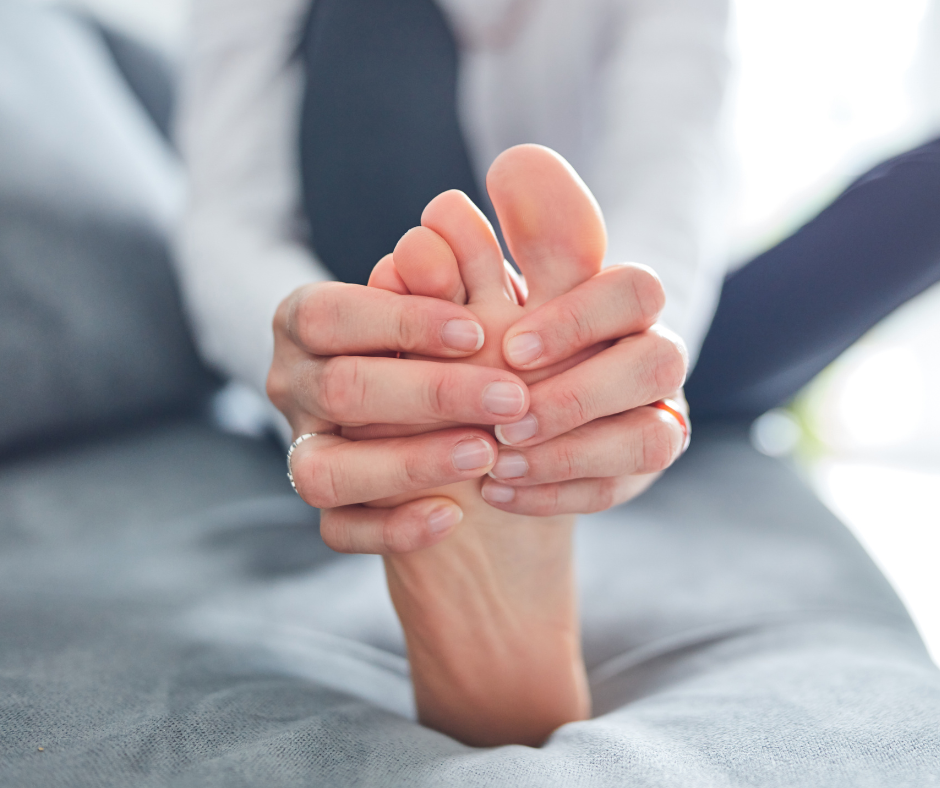
Why Is My Big Toe Joint Stiff?
A stiff big toe can make walking, climbing stairs, exercising, or even wearing certain shoes uncomfortable. One common cause is hallux rigidus, a form of arthritis that affects the joint at the base of the big toe.
Below, the podiatrists at Clark Podiatry Center explain what may be limiting your toe’s movement and when treatment may help.
What Is Hallux Rigidus?
Hallux rigidus develops when cartilage in the big toe joint wears down, allowing the bones to rub together. The condition may begin with mildly limited movement, sometimes called hallux limitus, and gradually progress until the joint becomes increasingly stiff.
Because the big toe helps the foot push off the ground, reduced motion can affect the way you walk. Some people shift weight toward the outside of their foot to avoid bending the painful joint, which may place additional strain on other areas.
What Causes Big Toe Joint Stiffness?
Wear-and-tear arthritis is a frequent cause, but other factors may contribute, including:
- A previous toe injury, such as a severe sprain or fracture
- Repeated stress from activities that frequently bend the big toe
- Inherited foot structure or poor joint alignment
- Flat feet or other biomechanical problems
- Bunions that place additional stress on the joint
- Inflammatory conditions, including rheumatoid arthritis or gout
What Are the Signs of Hallux Rigidus?
In addition to stiffness, you may notice pain when pushing off the foot, swelling around the joint, or difficulty bending the toe upward. A bone spur may form on top of the joint, creating a bump that rubs against shoes. Symptoms may become more noticeable during running, squatting, or walking uphill.
How Is a Stiff Big Toe Treated?
Treatment depends on the cause and severity of the joint damage. Early care may include activity changes, ice, anti-inflammatory medication, shoes with a roomy toe box, or a stiff sole that limits painful movement. Custom orthotics may help improve foot mechanics and reduce pressure on the joint.
If symptoms continue, additional treatment may include injections or physical therapy. Surgery may be considered when advanced arthritis causes significant pain and conservative care no longer provides relief. Schedule an evaluation if stiffness is worsening, affecting your gait, or limiting everyday activities.
At Clark Podiatry Center, Dr. Brandon A. Macy, a board-certified podiatrist, treats various conditions such as heel pain, diabetic wounds, bunions, nerve pain, and more. The New Jersey Children’s Foot Health Institute is also part of Clark Podiatry Center. We provide exceptional service for patients in Union County. Contact our office at (732) 382-3470 or schedule an appointment online. Our office is at 1114 Raritan Road, Clark, NJ 07066.