Office is OPEN!
Coming soon.

Coming soon.
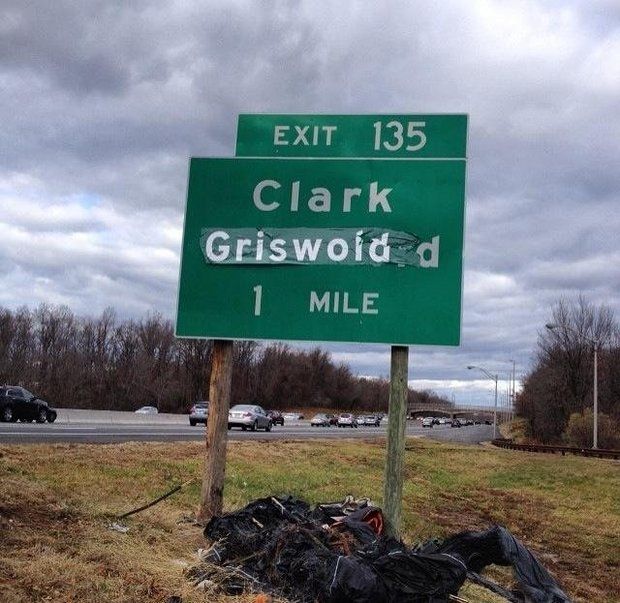
A prankster made an adjustment to the exit sign on the Garden State Parkway on Christmas Eve. e Certainly a plug for National Lampoon’s Christmas Vacation. Nobody I know would dare do this to change the sign to Clark Podiatry. But maybe somebody with Photoshop? Merry Christmas, Happy New Year to one and all from all…
Interesting article, courtesy of Today’s Podiatrist and the American Podiatric Medical Association
A patient presented this morning after injuring her ankle the other day, having slipped on some ice. While she was fortunate in that nothing appears to have been broken, people are often caught trying to decide on their own whether they’ve broken a bone or not, using that information to determine whether to seek professional…
Welcome to my new and improved website and blog. The website at www.clarkpodiatry.com was redesigned to make it easier for you to find out information about any foot problems you may have, to find information about me and the practice and to be able to contact the office to schedule an appointment. Moving forward, I…
It’s fun to walk barefoot and many of us do it at home and in public places. But walking without protection on your feet can make you susceptible to picking up contagious foot problems. One of these is plantar warts. These growths are caused by a virus that thrives in public gyms, showers and pools. The…
Do you have a difficult time figuring out what kind of tot to get for the little guys on your gift list? Do you think things are a bit too high-tech or expensive for your tastes–or is it that you just don’t understand what all these gizmos are or do? Well, thanks to the fols…
